



Most endurance athletes hit a plateau at some point, and the response is almost always the same — add more sessions, increase the intensity, push harder through the fatigue. It feels productive, and for a short while it might be. But if your times have stalled, your power output has plateaued, or races are feeling harder than your fitness suggests they should, the problem is rarely a lack of effort. More often than not, it comes down to one of three things that don't get nearly enough attention.
You're accumulating fatigue faster than you can absorb training
There's a point in every training block where the stimulus stops producing adaptation and starts producing breakdown. Most endurance athletes spend too long past that point without realising it, mistaking tiredness for a lack of fitness rather than a sign that the body needs time to consolidate the work it's already done. The fix isn't always more rest — it's smarter periodisation. Every three to four weeks of progressive load genuinely needs a recovery week, not just a slightly easier one, and the athletes who respect that cycle consistently outperform those who don't over a full season.
Your aerobic base is thinner than you think
High intensity work feels productive in a way that Zone 2 rarely does. The effort is obvious, the sweat is real, and the session is over quickly. Zone 2 asks you to slow down, stay patient, and trust a process that won't show up in your data for weeks. As a result, most athletes do far too much of the former and not nearly enough of the latter. The problem is that your aerobic base sets the ceiling for everything above it — the harder efforts, the race pace work, the ability to recover between intervals. Without a deep aerobic foundation, you're building on weak ground, and no amount of high intensity work will change that. An honest eight to twelve weeks of predominantly low intensity training will often unlock progress that months of hard effort couldn't.
Your body can't buffer the physiological demand you're placing on it
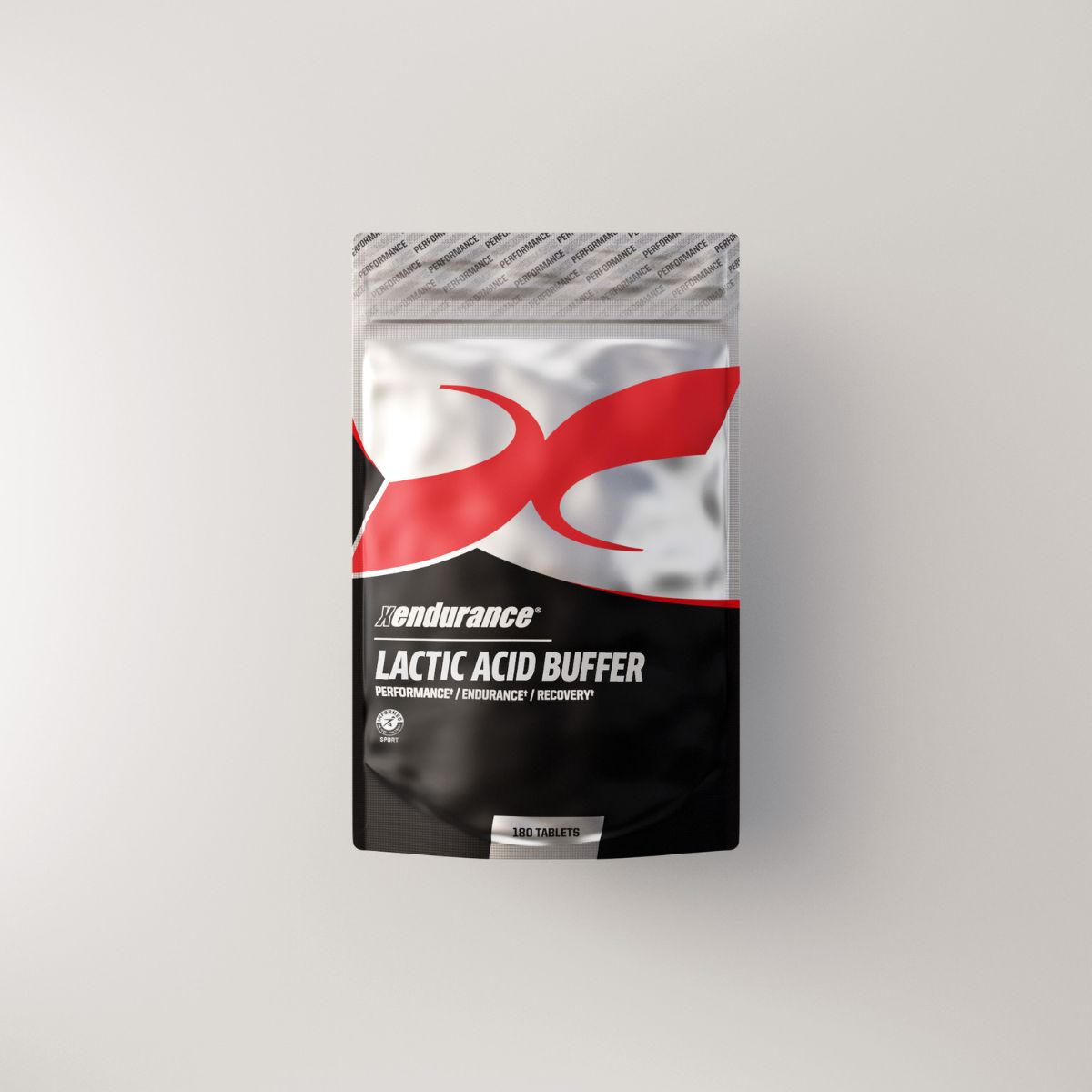
At higher intensities, hydrogen ion accumulation — the mechanism behind that familiar burning, seizing feeling in your muscles — limits how long you can sustain effort before performance degrades. Most endurance athletes accept this as inevitable, something to train through or tolerate rather than address. But buffering capacity is trainable, and for athletes who've already built a solid aerobic base and are training consistently, it's often the missing variable between someone who keeps improving and someone who doesn't. The athletes who understand this and address it directly tend to find that the ceiling they thought was their fitness limit was actually something more specific — and more solvable — than that.
Train smart through the summer, and the autumn races will take care of themselves.



Leave a comment
This site is protected by hCaptcha and the hCaptcha Privacy Policy and Terms of Service apply.