


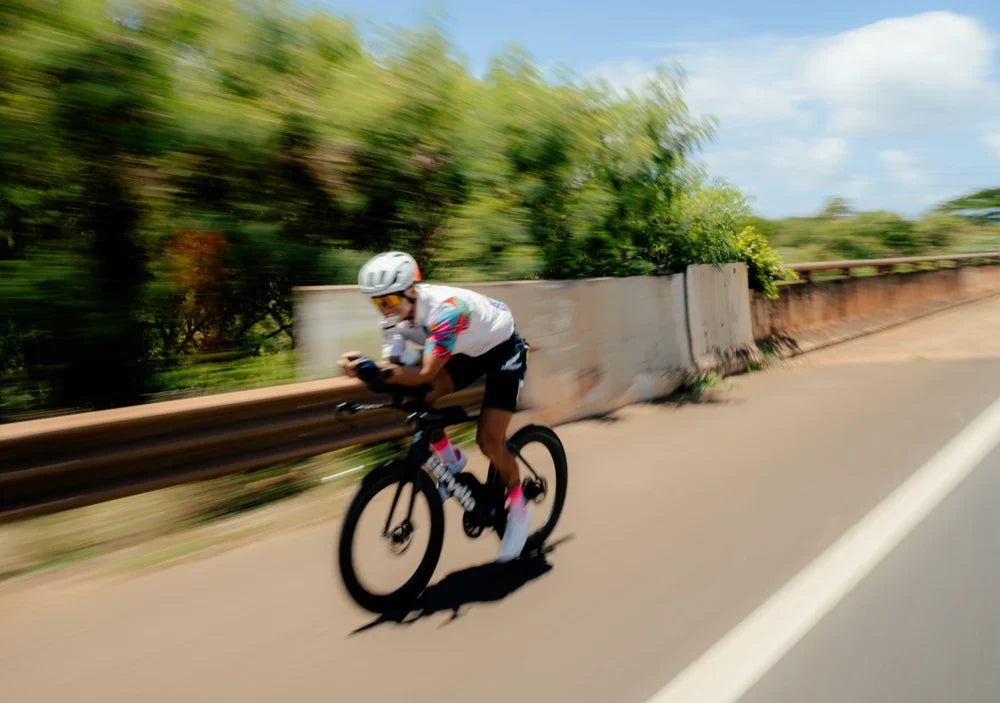
Originating from the mind of Gary Cantrell in 2011, the first Backyard Ultra (Big's Backyard Ultra) was held at Bell Buckle, Tennessee. The concept is simple: run 4.167 miles (6.7km) in an hour, and whatever time you have left is yours to do with what you want. At the top of the hour you go back out and run the same distance again. You keep going until you either do not complete the 'loop' in the allotted time, withdraw before the next loop, or are the last person standing.
The difficulty with these 'last man standing' style events is that there is no way of predicting how long the event will last. Many first-time entrants aim for the 24-hour mark, not only because it ties up a full day neatly but also because it pushes you just past the 100-mile mark. Most events last in excess of 30 hours but can extend far beyond that.
At the time of writing, the official female world record is held by British ultra runner Sarah Perry at 95 laps, or 637km, and the male world record is held by Australian ultra runner Phil Gore at 119 laps, or 798km — the latter taking close to five full days and nights of running.
The psychological toll of 'one more hour'
These events tend to attract athletes from many different disciplines, not simply long-distance running, for the simple fact that the requirements for completing a single lap are not actually too challenging. Many recreational joggers will be able to run a 9 min/km pace without too many challenges; the difficulty comes with repeating it again and again, and not having more than 10-15 minutes to realistically sleep. Most of us reading this right now could go and get a few laps in, but come nightfall the grind starts to dig in. Combine that with a race format that is contingent on your competitors leaving the competition for you to win, and these races tend to come down to more of a mental game than a physical one.
The tactical game
So how do you pace it? Do you try to keep a consistent pace? Run fast to get some rest? Run slow so as not to burn out and injure yourself? These questions are what make this incredibly simple race format so compelling to watch. Previous races have seen competitors get to the line with seconds to go, only to turn around and head back out for numerous more laps. When the last few athletes remain, some runners will lead out hot for a lap to establish dominance and get in their competitors' heads — a high-risk strategy that could be the difference between injuring your own tired legs or breaking a competitor's spirit.
The support
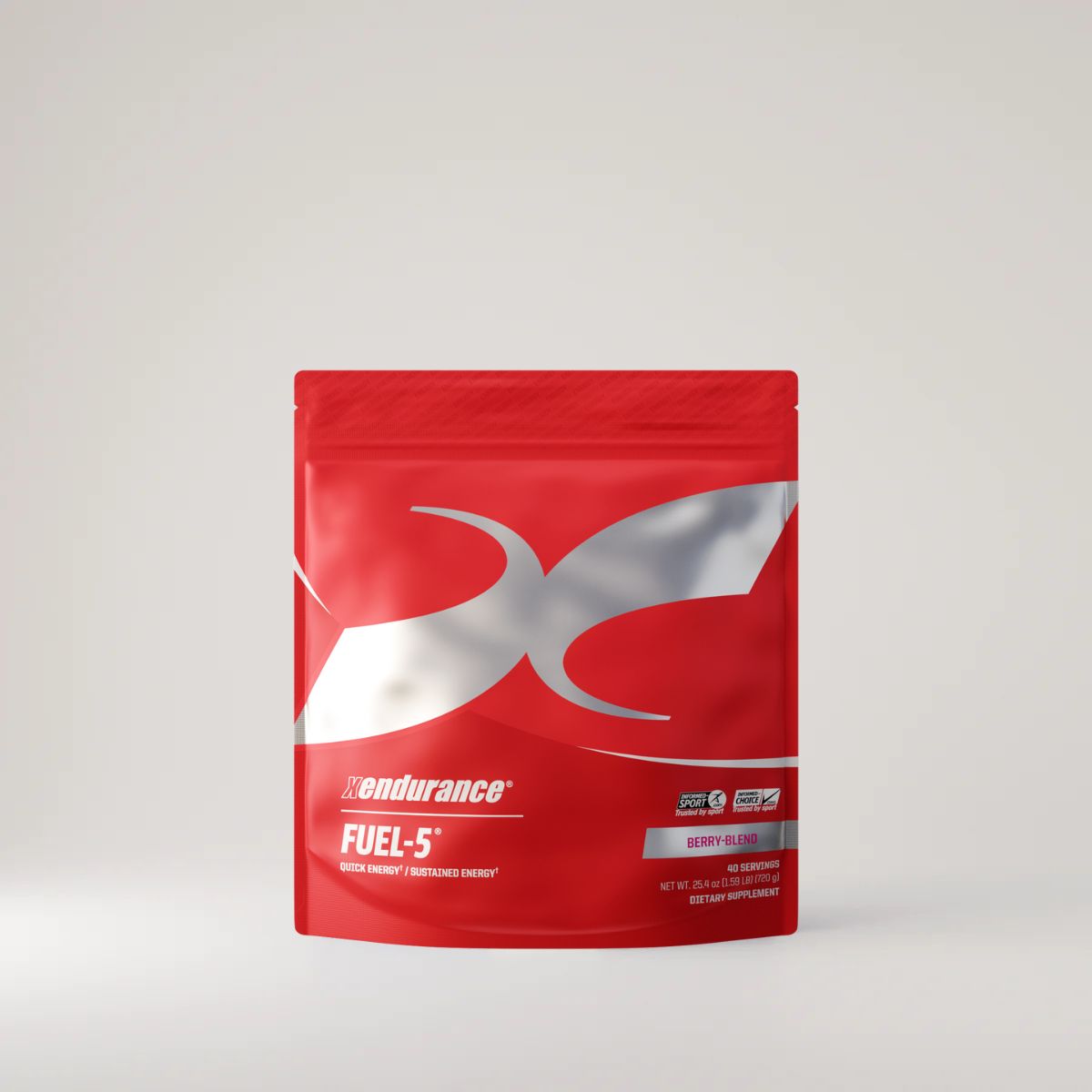
Most Backyard Ultras look more like a festival than a race — upward of 200 tents and gazebos clustered around the starting pen, with support teams eagerly waiting for the return of their athletes to provide them with the food, clothing changes and rest they need. Their biggest role is making the running the only thing the athlete needs to think about, and keeping spirits high when they're on the verge of collapse. Unlike many other races, on-course support is restricted to the start area and base camp. Supporters are not allowed to provide nutrition or pacing once the runner is on the course, making it a true 'last man standing' race. The name of the game for fuelling is calorie density, hydration and stomach-tolerable carbohydrates. On course, athletes will focus on convenient sports nutrition products — for example, Xendurance Carbohydrate Gels or Fuel 5 for drinkable carbs — and then focus more on real food sources back in camp to keep digestion moving as the days drag on.
The race format is growing every year and attracting bigger crowds, sponsors and names, and looks likely to remain a popular format due to its simplicity. The big question is: how far do you think you could get?


Leave a comment
This site is protected by hCaptcha and the hCaptcha Privacy Policy and Terms of Service apply.