

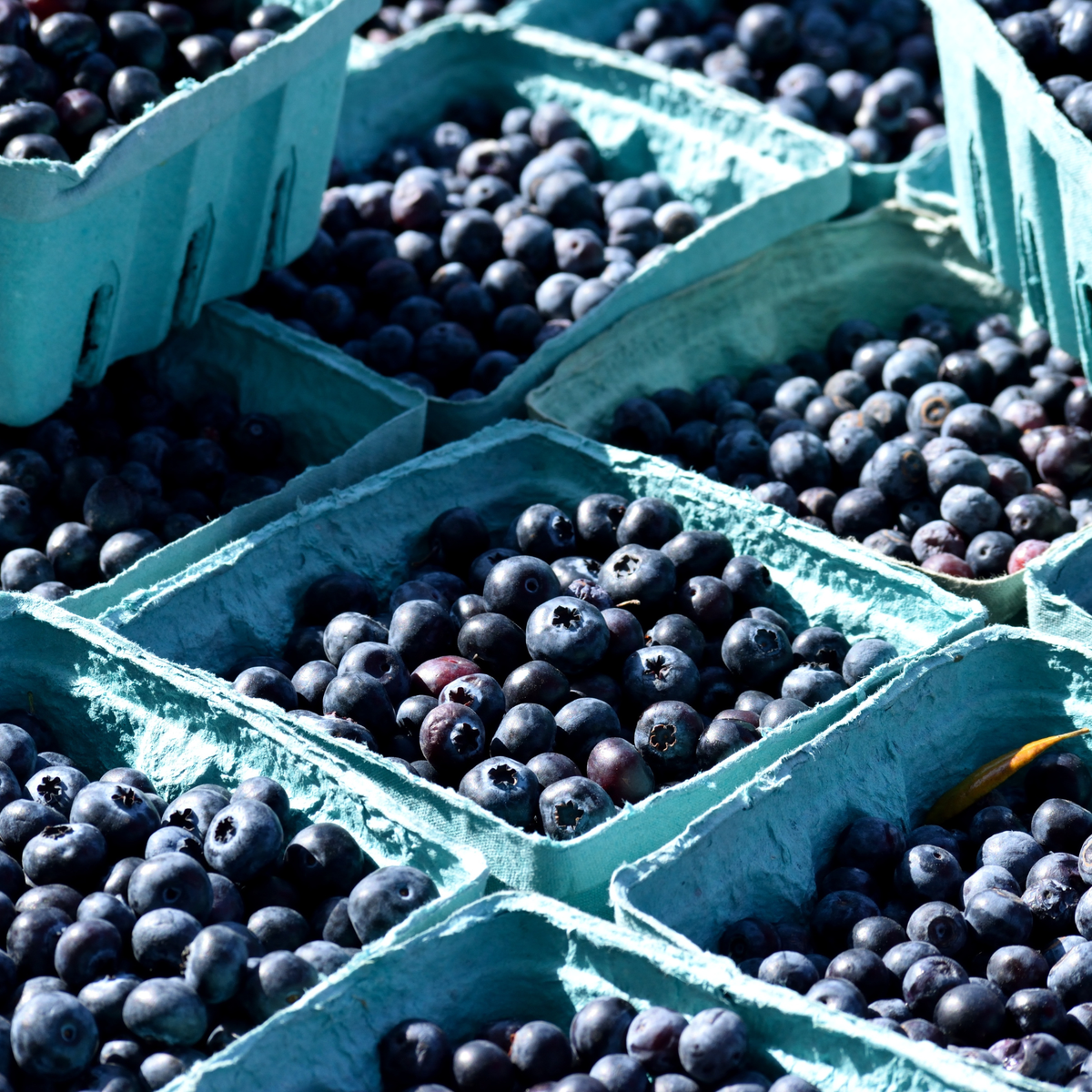
Blueberries consistently rank among the most nutrient-dense and beneficial fruits you can eat. Backed by growing scientific evidence, regular consumption delivers measurable improvements in heart health, immune function, gut wellness, and more. Studies show that eating blueberries daily can reduce arterial stiffness, boost natural killer (NK) cells, and support a healthier gut microbiome. Many of these benefits become noticeable within a few weeks of consistent intake—typically one to two cups of fresh berries or the equivalent in powder form each day.
Here’s a clear, evidence-based look at why blueberries deserve a regular place in your diet, along with practical recommendations and a brief look at one popular blueberry-powered supplement.
The Nutritional Foundation of Blueberries
A single cup of fresh blueberries provides:
- Approximately 84 calories
- 4 grams of fibre
- Good amounts of vitamin C, vitamin K, and manganese
- Zero cholesterol, zero fat, and virtually no sodium
What makes blueberries truly exceptional is their high concentration of anthocyanins—the powerful plant compounds that give the berries their rich blue-purple color. These anthocyanins act as strong antioxidants, helping to neutralise free radicals, reduce inflammation, and protect cells throughout the body.
Blueberries also have a low glycemic index, making them a smart choice for blood sugar control. Wild varieties often contain even higher levels of antioxidants than cultivated ones.
Key Health Benefits of Blueberries
Reduces Arterial Stiffness and Supports Heart Health
- Daily blueberry consumption has been shown to improve blood vessel flexibility, especially in people who are sedentary or have higher cardiovascular risk.
- Acute improvements in vascular function can appear within 1–2 hours after eating blueberries.
- Longer-term intake (several weeks) produces more sustained reductions in arterial stiffness and better endothelial function.
- These changes contribute to lower blood pressure and reduced risk of cardiovascular disease over time.
Boosts Natural Killer (NK) Cells and Immune Defence
- Six weeks of daily blueberry intake (often studied using ~250 g of freeze-dried blueberry powder) increases both the number and activity of natural killer cells.
- NK cells play a critical role in the body’s early defence against viruses and in identifying and destroying cancer cells.
- Regular consumption has been linked to enhanced overall immune surveillance and reduced susceptibility to infections.
Improves Gut Health and Reduces Inflammation
- Blueberries promote favourable shifts in the gut microbiome, increasing beneficial bacteria while decreasing harmful ones.
- Their polyphenols and fibre help reduce gut inflammation and improve intestinal barrier function (reducing “leaky gut”).
- A healthier, less permeable gut lining means fewer toxins and inflammatory compounds enter the bloodstream.
Supports Exercise Recovery and Reduces Muscle Soreness
- The anti-inflammatory and antioxidant properties of blueberries help lower exercise-induced oxidative stress.
- Regular intake is associated with faster recovery, reduced muscle damage markers, and less soreness after intense workouts.
- This makes blueberries particularly valuable for athletes and anyone who trains regularly.
Additional Well-Documented Benefits
- Supports brain health: improves memory, slows age-related cognitive decline, and increases blood flow to the brain.
- Helps with metabolic health: reduces insulin resistance and supports healthy body composition.
- Provides broad antioxidant protection that may lower long-term risk of chronic diseases, including type 2 diabetes and certain cancers.
Practical Recommendations
To experience the benefits outlined in research:
- Daily amount — Aim for 1–2 cups of fresh or frozen blueberries, or roughly 20–40 grams of high-quality freeze-dried blueberry powder.
- Timing — Benefits to blood vessel function can appear quickly (within hours), but immune, gut, and longer-term cardiovascular improvements typically require consistent intake for 4–8 weeks.
- Forms — Fresh, frozen, or freeze-dried powder all retain most of the beneficial compounds. Minimal cooking preserves more of the anthocyanin.
- Easy ways to include them — Add to smoothies, yogurt, oatmeal, salads, or simply eat them by the handful.
Blueberries are one of the simplest, most enjoyable ways to add meaningful health support to your daily routine.
One Small Habit, Big Results: Why Blueberries Belong in Your Routine
Blueberries are far more than a tasty fruit—they are a research-backed, daily-use food that meaningfully supports heart health, immune function, gut integrity, brain performance, and exercise recovery.
Start with a realistic daily goal, stay consistent, and let the small daily habit deliver outsized benefits over time.



Leave a comment
This site is protected by hCaptcha and the hCaptcha Privacy Policy and Terms of Service apply.